







Imagine walking into your home after a long day, and with just a simple voice command, the lights dim, your favorite playlist starts playing, and the thermostat adjusts to the perfect temperature. Welcome to the world of smart home devices, where convenience meets innovation in a way that makes you feel like you’re living in a sci-fi movie—minus the flying cars and alien invasions.
Overview of Smart Home Devices
Smart home devices transform everyday living through automation and connectivity. These gadgets streamline household tasks, elevating both convenience and energy efficiency. Various categories of smart devices include thermostats, lights, security systems, and appliances.
Smart thermostats, for example, adjust temperature settings automatically based on user preferences and occupancy. Brands like Nest and Ecobee exemplify this technology, showcasing reduced energy consumption. Smart lighting systems, such as Philips Hue, allow users to control brightness and color remotely, creating customized ambiances for different occasions.
Security systems utilize cameras and sensors to enhance home safety. Devices like Ring and Arlo provide real-time surveillance, enabling homeowners to monitor their properties from anywhere. Additionally, smart doorbells facilitate remote communication, enhancing convenience without compromising security.
Smart appliances, including refrigerators and ovens, optimize cooking and food management. These devices offer features like inventory tracking and remote operation. Notably, brands like Samsung and LG incorporate advanced technology, making meal prep easier and more efficient.
Integrating these devices into a cohesive smart home ecosystem delivers unmatched control. Voice assistants like Amazon Alexa and Google Assistant act as centralized hubs, allowing streamlined commands for multiple devices. The synergy between various smart home technologies elevates daily routines, paving the way for a more connected lifestyle.
Overall, smart home devices play a vital role in modern living, emphasizing the significance of innovation and convenience in everyday scenarios.
Types of Smart Home Devices
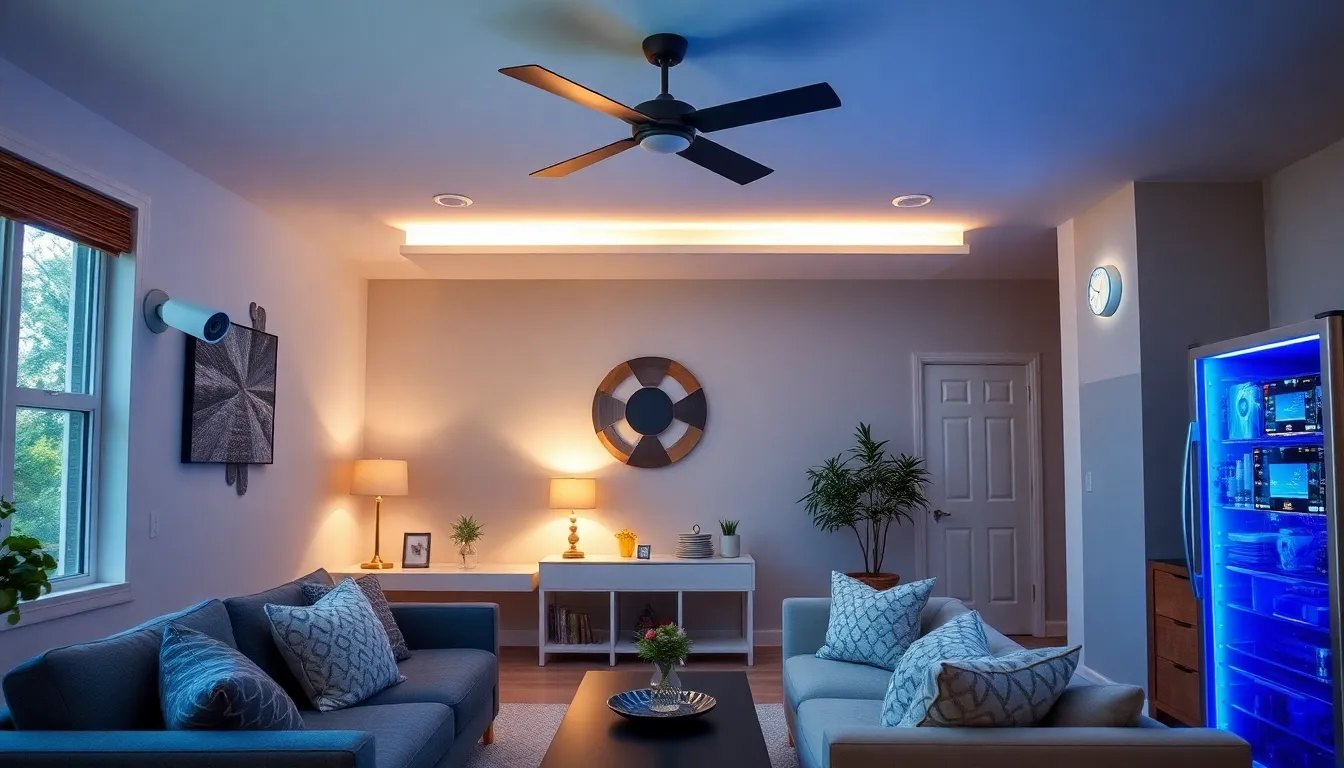
Smart home devices come in various forms, each designed to enhance convenience and security within the home environment.
Smart Security Systems
Smart security systems include cameras, doorbells, and alarm systems. Devices like Ring offer real-time video feeds and alerts, allowing homeowners to monitor their property from anywhere. Arlo provides high-definition video along with night vision capabilities, ensuring safety around the clock. Many systems integrate with mobile applications for easy access and management of home security. Smart locks, such as August and Schlage, enable keyless entry, enhancing convenience and peace of mind. These systems can connect to voice assistants, allowing operators to execute commands hands-free, making home safety more accessible.
Smart Lighting Solutions
Smart lighting solutions simplify control over home illumination. Brands such as Philips Hue and LIFX enable users to adjust brightness and colors via apps or voice commands. These lights can schedule on and off times, contributing to energy efficiency. Multi-room setups enhance customization for moods or events. Integration with motion sensors allows lights to activate automatically, further enhancing convenience. Smart lighting systems can also sync with music or media, creating a dynamic atmosphere tailored to user preferences.
Smart Thermostats
Smart thermostats provide dynamic temperature control for homes. Products like Nest and Ecobee learn user preferences and adjust settings automatically. These devices promote energy savings by optimizing heating and cooling based on when residents are home. Remote access through mobile applications allows homeowners to monitor and control their environments from anywhere. Some models feature energy usage reports, helping users identify areas for savings. Compatibility with voice assistants enhances ease of use, allowing quick adjustments verbally.
Smart Appliances
Smart appliances revolutionize everyday kitchen tasks. Devices from brands like Samsung and LG automate cooking processes, freeing up time for other activities. Refrigerators with built-in inventory tracking prevent food waste by notifying users about expiring items. Smart ovens can be controlled via smartphone apps, enabling users to preheat or adjust temperatures remotely. Some washing machines offer customizable cycles based on fabric types and dirt levels. Integration with smart home systems allows for seamless operation across various functions, enhancing overall efficiency.
Benefits of Smart Home Devices
Smart home devices provide a range of advantages that improve daily living experiences. These benefits encompass increased convenience, enhanced security, and energy efficiency.
Increased Convenience
Smart home devices streamline tasks, allowing users to manage their homes effortlessly. Voice-activated systems enable quick adjustments to lighting, temperature, and entertainment without physical effort. Remote access through apps means controlling devices from anywhere, ensuring flexibility for busy schedules. Automation features let users set routines for daily activities, enhancing predictability. For example, a smart coffee maker can brew at a specified time, making mornings smoother. Users benefit when they can connect various devices for seamless control, offering a comprehensive approach to home management.
Enhanced Security
Security devices provide peace of mind through real-time monitoring capabilities. Smart cameras and doorbells allow homeowners to oversee their property from remote locations. Notifications alert users to unusual activity, empowering them to respond swiftly. Keyless entry systems contribute to enhanced security, minimizing the risks of lost or stolen keys. Video footage from these devices can serve as crucial evidence in case of incidents, promoting safety and accountability. Many devices integrate with security systems, creating a cohesive network that monitors homes continuously.
Energy Efficiency
Smart home devices optimize energy use and reduce utility costs. Smart thermostats learn user preferences, adjusting heating and cooling automatically for maximum comfort. These devices can lead to energy savings of 10-15% annually, according to sources like Energy Star. Smart lighting systems, which can be programmed to turn off when not in use, further contribute to lower energy bills. Appliances that monitor energy consumption help users make informed decisions about usage patterns. Overall, integrating these devices can significantly decrease energy waste, benefiting both the environment and household budgets.
Challenges and Considerations
Smart home devices offer many benefits, but they also come with challenges that consumers should consider.
Privacy Concerns
Privacy concerns frequently arise with smart home devices. Devices often collect sensitive data, including user habits and personal information. This data may be vulnerable to breaches, leading to unauthorized access. Users must research and select devices that prioritize security measures, such as end-to-end encryption. Regular progress in cybersecurity practices can enhance data protection. Additionally, understanding privacy policies before purchasing devices helps ensure informed decisions regarding data sharing and usage.
Compatibility Issues
Compatibility issues can complicate the smart home experience. Different brands often use unique technologies and protocols, which can limit device interoperability. Ensuring devices work together requires careful planning and product selection. Users may find it beneficial to choose devices that are part of the same ecosystem, such as Amazon Alexa, Google Assistant, or Apple HomeKit. This approach fosters seamless integration and functionality. Conducting compatibility assessments before purchasing can help avoid frustrating situations and enhance the overall smart home experience.
Smart home devices are revolutionizing the way people interact with their living spaces. By offering enhanced convenience and improved energy efficiency they transform mundane tasks into effortless experiences. The integration of various devices fosters a seamless ecosystem that allows for centralized control and customization.
However it’s crucial for users to remain vigilant about privacy concerns and compatibility issues. Choosing devices that prioritize security and work well together can significantly enhance the smart home experience. With careful consideration and informed decisions individuals can unlock the full potential of smart technology while enjoying a more connected and efficient lifestyle.