







In a world where food has gone from farm to table to lab, innovative food science and emerging technologies are shaking things up in the culinary landscape. Imagine biting into a burger that’s not just juicy but also grown in a lab—no cows were harmed in the making of this meal! As science and technology collide, they’re not just feeding our appetites but redefining what it means to eat.
From lab-grown meat to vertical farming, these advancements are making waves that even the most seasoned chefs can’t ignore. It’s not just about what’s on the plate; it’s about how it got there and the sustainable practices that keep our planet smiling. So buckle up, food lovers! The future of dining is not just delicious; it’s downright revolutionary.
Overview Of Innovative Food Science
Innovative food science encompasses a range of technologies and practices that aim to improve food production, safety, and sustainability. Advances in lab-grown meat production allow for protein sources without traditional animal farming. This method reduces carbon footprints associated with livestock.
Vertical farming captures attention due to its efficient land use and reduced water consumption. Hydroponics and aeroponics facilitate growth without soil, enabling cities to produce food locally. Sustainable practices in food production make a significant impact on reducing waste.
Food preservation techniques evolve continually, ensuring longer shelf life and minimizing spoilage. High-pressure processing effectively kills pathogens while maintaining nutritional quality. Meanwhile, advancements in packaging technology enhance product longevity and safety.
3D food printing emerges as a novel approach, allowing customization and on-demand food creation. This technology can cater to individual dietary needs and preferences. Robotics also play a crucial role in food automation, streamlining production processes and increasing efficiency.
Innovative food science is not limited to production; it extends to food composition analysis. Using chemical and biological methods, scientists can enhance flavors and textures. These advancements contribute to the development of healthier and more appealing food options.
Embracing these technologies leads to a future where food systems are more resilient and adaptable. Collectively, these innovations promise to transform culinary experiences by promoting sustainability and ethical consumption.
Key Innovations In Food Science
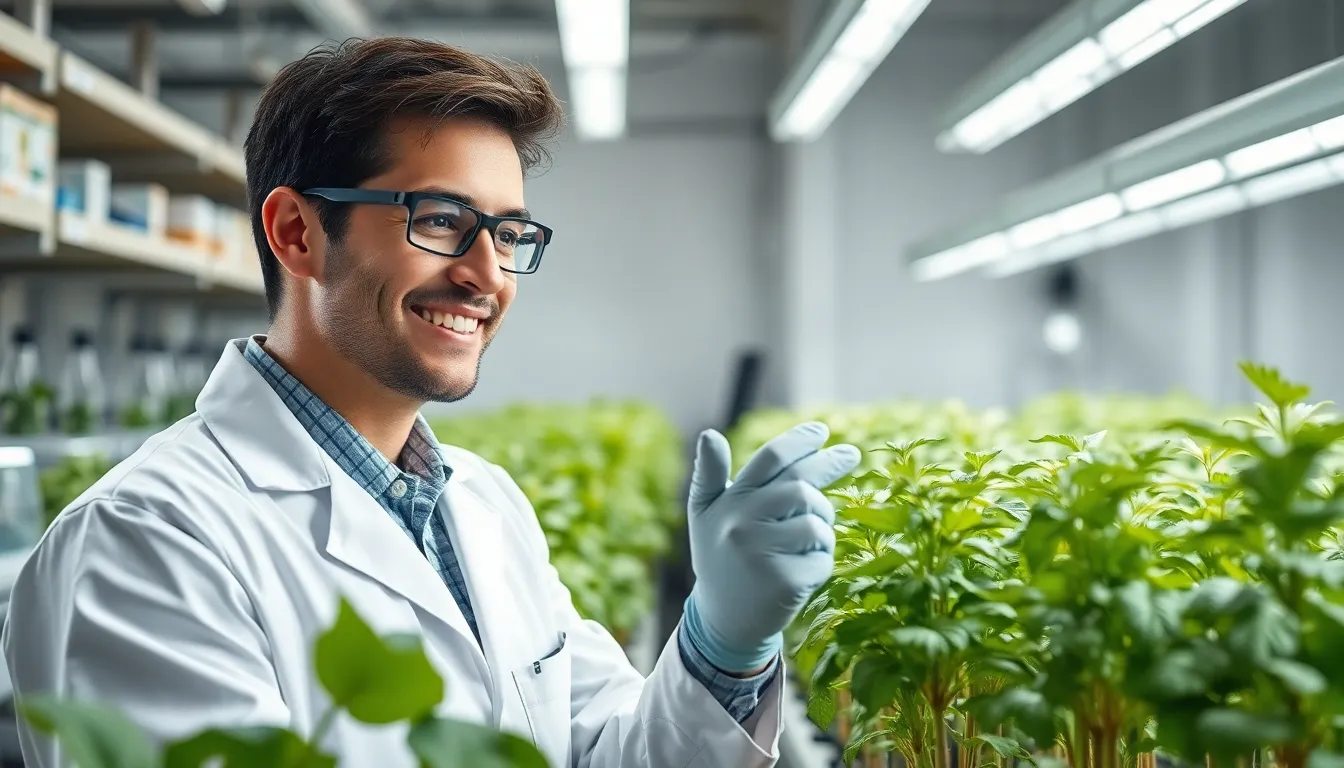
Innovative food science and emerging technologies are significantly transforming food production and consumption. Key areas of innovation include biotechnology and sustainable agriculture practices.
Biotechnology Advancements
Biotechnology plays a vital role in developing food products designed for better nutrition and taste. Genetic editing tools such as CRISPR empower scientists to modify crops for increased resistance to pests and diseases. These advancements enable higher yields and reduced reliance on chemical pesticides, improving food safety. Lab-grown meat emerges as a groundbreaking solution, addressing ethical concerns while providing high-protein alternatives without the environmental impact of traditional livestock farming. Additionally, fermentation technology enhances flavor profiles and creates functional foods rich in probiotics. These innovations showcase biotechnology’s potential to meet the growing global food demands effectively.
Sustainable Agriculture Practices
Sustainable agriculture practices focus on preserving resources while maximizing food production efficiency. Techniques such as precision farming utilize data analytics and sensors to optimize inputs like water and fertilizers, enhancing crop performance. Vertical farming addresses space limitations by producing food in controlled environments, leading to year-round cultivation. Crop rotation and organic farming methods improve soil health, ensuring long-term agricultural productivity. Aquaponics combines fish farming and plant cultivation, creating a self-sustaining ecosystem that reduces waste. These sustainable practices contribute to food security and promote eco-friendly consumption, offering a more resilient approach to global food challenges.
Emerging Technologies In Food Processing
Emerging technologies significantly transform food processing. Automation and robotics streamline production, while smart packaging solutions enhance product safety and sustainability.
Automation And Robotics
Automation and robotics play crucial roles in modern food processing. They increase efficiency and reduce human error. Robotics handle repetitive tasks, allowing workers to focus on more complex activities. For example, automated systems manage tasks from sorting to packing. These technologies also improve precision, resulting in consistent product quality. Moreover, adapting to demand fluctuations becomes easier. As operations become more streamlined, food producers can meet consumer preferences without compromising quality or safety.
Smart Packaging Solutions
Smart packaging solutions enhance food safety and shelf life. These innovations utilize sensors to monitor product conditions and detect spoilage. Additionally, packaging materials integrated with digital technology enable real-time tracking. By providing consumers with better information, smart packaging fosters transparency. For instance, indicators show whether a product has been kept at the correct temperature. Sustainable materials in packaging reduce environmental impacts, reflecting growing consumer demand for eco-friendly products. Overall, smart packaging offers both operational advantages and consumer benefits.
Impact On Food Safety And Quality
Innovative food science and emerging technologies significantly enhance food safety and quality. New methodologies improve efficiency and monitoring throughout the food supply chain.
Traceability And Transparency
Traceability technologies, such as blockchain, track food products from farms to consumers. These systems increase confidence in food sources and promote accountability. By providing detailed information about ingredients, consumers make informed choices. Enhanced transparency helps identify and mitigate safety issues before they escalate. Brands committed to transparency build stronger relationships with their customers and improve loyalty.
Reducing Food Waste
Technological advancements aid in significantly reducing food waste across multiple stages of production. Smart sensors detect spoilage and manage inventory more effectively. Innovations like shelf-life prediction tools and predictive analytics allow stakeholders to anticipate needs better. Efficient supply chain management ensures that surplus food reaches those in need rather than becoming waste. Emphasizing waste reduction not only benefits the environment but also enhances overall food quality.
Future Trends In Food Science And Technology
Emerging trends showcase the ongoing evolution of food science and technology. Cultured meat production continues to gain traction, promising a sustainable alternative to traditional livestock farming. Innovative vertical farming systems are expanding, with urban agriculture efforts minimizing land use while maximizing yield.
Biotechnology plays a crucial role in this transformation. Genetic editing tools like CRISPR advance crop resilience, enabling farmers to grow healthier plants with lower pesticide usage. Fermentation methods are also evolving, creating probiotic-rich foods that offer both health benefits and unique flavors.
The packaging sector sees significant improvements as well. Smart packaging integrates sensors that monitor freshness and safety, enhancing consumer trust. Customized options from 3D food printing cater to diverse dietary preferences, allowing individuals to personalize their meals.
Automation within food production processes is on the rise. Robotics streamline operations, reducing the potential for human error and increasing efficiency. These technological advancements promote better quality control throughout the supply chain.
Food safety remains a primary focus in developing innovative technologies. Blockchain enhances traceability, ensuring that consumers can track food products from source to table. This level of transparency builds confidence and allows for quicker identification of safety concerns.
Addressing food waste also stands at the forefront of current discussions. Smart sensors improve inventory management, helping to prevent spoilage. Predictive analytics facilitate more accurate forecasting, ensuring that surplus food can be redirected to those in need. Each step taken strengthens the resilience of the food system, aligning with efforts toward sustainability and ethical consumption.
The landscape of food science is rapidly evolving thanks to innovative technologies that prioritize sustainability and ethical practices. As lab-grown meat and vertical farming become more mainstream, they’re not just changing how food is produced but also how consumers perceive their choices.
Emerging methods in biotechnology and smart packaging are enhancing food safety and quality, while automation streamlines production processes. These advancements promise a future where food systems are more efficient and less wasteful, ultimately benefiting both the environment and society.
With ongoing research and development, the culinary world stands on the brink of a revolution, where every meal can reflect a commitment to health, sustainability, and ethical consumption. The journey toward a more responsible food future is just beginning.