







In a world where students can learn calculus from a robot and classrooms are equipped with virtual reality headsets, education is undergoing a transformation that’s hard to ignore. Emerging technologies are not just enhancing traditional teaching methods; they’re flipping the script entirely. Imagine a classroom where textbooks are relics of the past and students engage with interactive content that makes learning feel like a video game.
This isn’t science fiction; it’s happening now. From artificial intelligence tutoring systems to gamified learning platforms, these innovations are making education more accessible and engaging than ever before. Buckle up as we dive into the exciting realm of tech-savvy classrooms, where the only thing more advanced than the learning tools is the potential they unlock for future generations.
Overview of Emerging Technologies in Education
Emerging technologies are reshaping the educational landscape. Virtual reality (VR) provides immersive learning experiences that enhance student engagement. Augmented reality (AR) overlays digital information onto the physical world, offering interactive learning opportunities. Artificial intelligence (AI) powers personalized learning experiences, adapting to individual student needs and learning styles.
Gamification transforms traditional learning into engaging games, motivating students through rewards and challenges. Learning management systems (LMS) streamline course administration, enabling educators to manage lessons and track progress effectively. Cloud-based solutions facilitate collaboration among students and teachers, making resources accessible anytime, anywhere.
Data analytics tools track student performance, identifying areas of improvement and informing instructional strategies. IoT devices create smart classrooms where interconnected systems provide real-time feedback on students’ learning environments. Robotics and coding programs introduce students to technology through hands-on experiences, fostering interest in STEM fields.
Distance learning technologies expand access to education for students in remote locations. Online platforms host courses from top institutions, democratizing learning opportunities. Blockchain technology enhances security in credentialing, ensuring authenticity in educational records.
As education continues to evolve, these technologies play a crucial role in preparing students for the future workforce. They create innovative, flexible, and engaging learning environments that cater to diverse needs. By remaining adaptable to advancements, the education sector can ensure that all students benefit from these transformative technologies.
Impact on Teaching and Learning
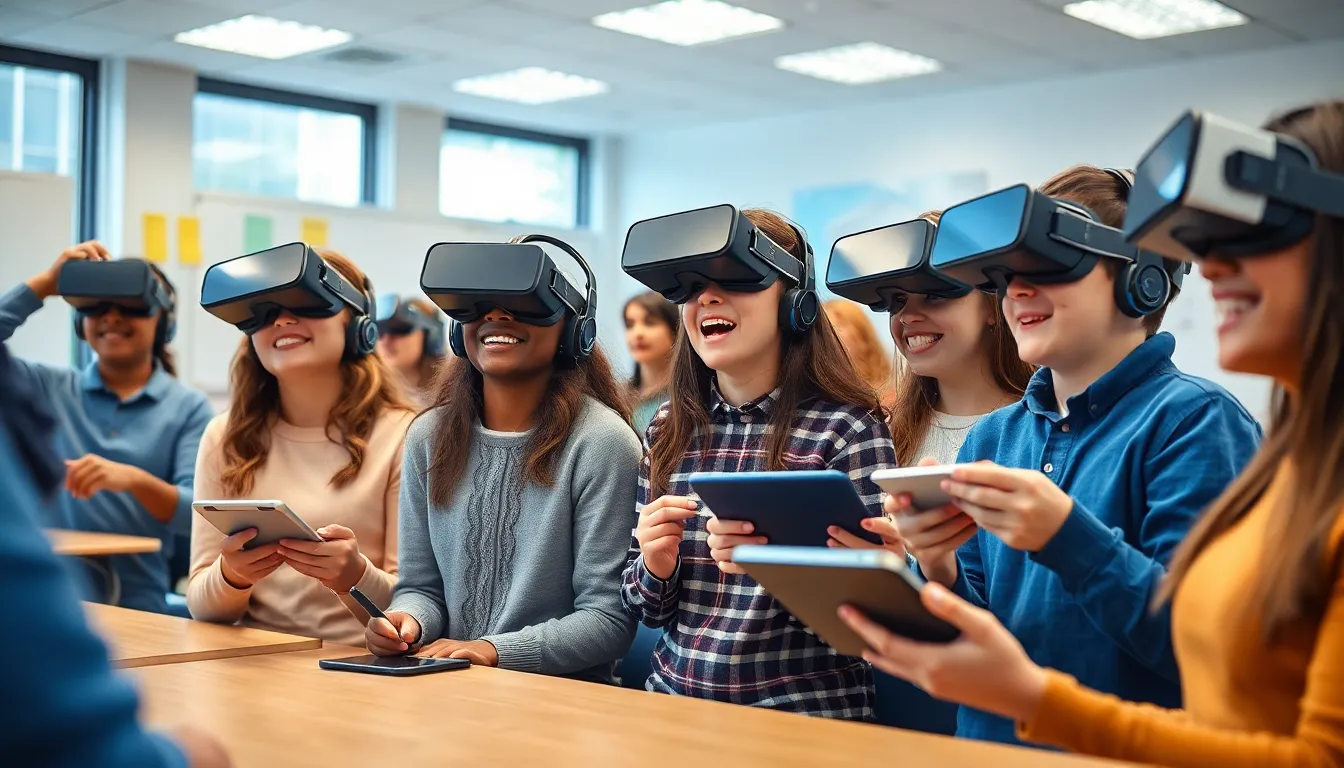
Emerging technologies significantly influence teaching and learning. They create new experiences that engage students and facilitate deeper understanding.
Enhanced Engagement and Interactivity
Gamified learning platforms promote active participation among students. Virtual reality experiences immerse learners in realistic environments, making complex concepts easier to grasp. Augmented reality tools overlay information on the real world, enhancing exploration. Interactive simulations help students understand abstract ideas by visualizing them in a dynamic way. These technologies not only make learning enjoyable but also foster collaboration among peers. Classrooms equipped with these tools become vibrant learning hubs, encouraging creativity and inquiry.
Personalized Learning Experiences
Artificial intelligence tailors educational content to meet individual needs. Data analytics track student performance, allowing educators to adjust teaching strategies accordingly. Learning management systems provide various resources available to diverse learning styles. Immediate feedback from digital platforms helps students identify strengths and weaknesses. Customized learning paths empower students to progress at their own pace, promoting self-directed learning. By addressing unique challenges, these technologies support students in achieving their academic goals effectively.
Types of Emerging Technologies
Emerging technologies are reshaping education, enhancing engagement, and personalizing learning experiences for students. Below are key technologies making significant contributions to modern education.
Artificial Intelligence and Machine Learning
Artificial intelligence (AI) systems analyze student behavior to tailor learning experiences. Adaptive learning platforms adjust content based on individual performance, ensuring personalized instruction. Machine learning algorithms predict learning challenges, allowing educators to intervene early. Tools like chatbots provide real-time assistance, facilitating student support outside class hours. Enhanced data analytics help identify trends in student progress, leading to informed decision-making for instructional strategies.
Virtual and Augmented Reality
Virtual reality (VR) transports students into immersive environments for experiential learning. Classroom applications range from historical reenactments to complex scientific visualizations. Augmented reality (AR) enhances physical spaces with digital information, creating interactive learning experiences. These technologies foster exploration and retention of concepts through hands-on interactions. Notable implementations include VR field trips and AR-enabled textbooks that bring static images to life, enriching students’ understanding of subjects.
Gamification and Game-Based Learning
Gamification integrates game mechanics into educational settings to boost motivation. Engaging students through point systems, badges, and leaderboards encourages active participation. Game-based learning takes this engagement further with structured games that teach subject content. Students develop critical thinking and problem-solving skills in a fun environment. Popular platforms leverage these techniques, making learning dynamic and enjoyable while facilitating collaboration among peers.
Challenges and Considerations
Emerging technologies in education present notable challenges and considerations that significantly impact stakeholders.
Equity and Access Issues
Access to technology varies among students. Disparities in socio-economic status create barriers, limiting opportunities for some learners. Schools with fewer resources might struggle to implement advanced technologies, widening the education gap. Additionally, rural areas often lack reliable high-speed internet, hindering the use of online resources. Equity must remain a focal point, ensuring all students receive equal opportunities to engage with these innovative technologies. Collaborative efforts among policymakers, educational institutions, and communities are essential to bridge these gaps and provide equal access.
Privacy and Data Security Concerns
Data security in educational settings entails significant risks. Collecting student data enables personalized learning but raises privacy issues. Unauthorized access or data breaches can expose sensitive information, leading to potential misuse. Educational institutions must adhere to regulations like FERPA to protect student privacy. Implementing strong cybersecurity measures becomes vital in safeguarding data and maintaining trust among students and parents. Balancing the benefits of data usage with robust protection strategies is critical for fostering a safe digital learning environment.
Future Trends in Education Technology
Emerging technologies are crucial in transforming education. Artificial intelligence (AI) systems enhance personalized learning experiences. By analyzing student performance, these systems identify strengths and areas for improvement. Virtual reality (VR) tools offer immersive experiences that deepen understanding of complex subjects. Students engage with content in ways that traditional methods cannot match.
Augmented reality (AR) enriches learning environments by overlaying digital information onto physical spaces. This blend of real and virtual worlds encourages exploration and interaction. Gamification strategies boost motivation through point systems and rewards. Engaging game mechanics help students develop critical thinking skills while enjoying the learning process.
Learning management systems (LMS) facilitate efficient course administration. These platforms provide teachers with streamlined tools for managing classes and tracking progress. Cloud-based solutions foster collaboration among students and educators. They allow real-time feedback and resource sharing across locations.
Data analytics in education provides insights into student behavior and academic trends. These insights enable educators to adapt instructional strategies effectively. IoT devices create smart classrooms, enhancing learning through connected technologies. Robotics programs introduce students to coding, sparking interest in STEM careers.
Distance learning technologies widen access to education. Online platforms reach learners from diverse backgrounds, breaking geographical barriers. Blockchain technology secures credentialing, ensuring the integrity of academic records.
Challenges including equity in access and privacy concerns persist. Socioeconomic factors can hinder technology access, particularly in under-resourced schools. Compliance with regulations like FERPA is vital in protecting student data. Being proactive in addressing these challenges ensures a fair and safe digital learning environment for all students.
Emerging technologies are undeniably shaping the future of education. They create engaging learning environments that cater to diverse student needs while fostering collaboration and creativity. As innovations like AI VR and gamification continue to evolve they promise to enhance the educational experience further.
However the journey isn’t without its challenges. Issues of equity privacy and data security must be addressed to ensure all students can benefit from these advancements. By prioritizing collaboration among stakeholders and implementing robust protection strategies educational institutions can navigate these complexities.
The integration of these technologies not only prepares students for future careers but also transforms traditional learning into a dynamic and personalized experience. As education embraces these changes the potential for growth and improvement remains limitless.