




In a world where we can 3D-print our dinner, food science is not just about what’s on our plates, it’s a thrilling intersection of nature and technology. Imagine tasting a pizza that was perfected by artificial intelligence or snacking on kale chips preserved using innovative techniques. Pretty wild, right? The future tastes bright, and today we’ll explore the fascinating advances in food science and technology that could revolutionize our culinary experiences, and save the planet while we’re at it.
The Intersection Of Food Science And Technology
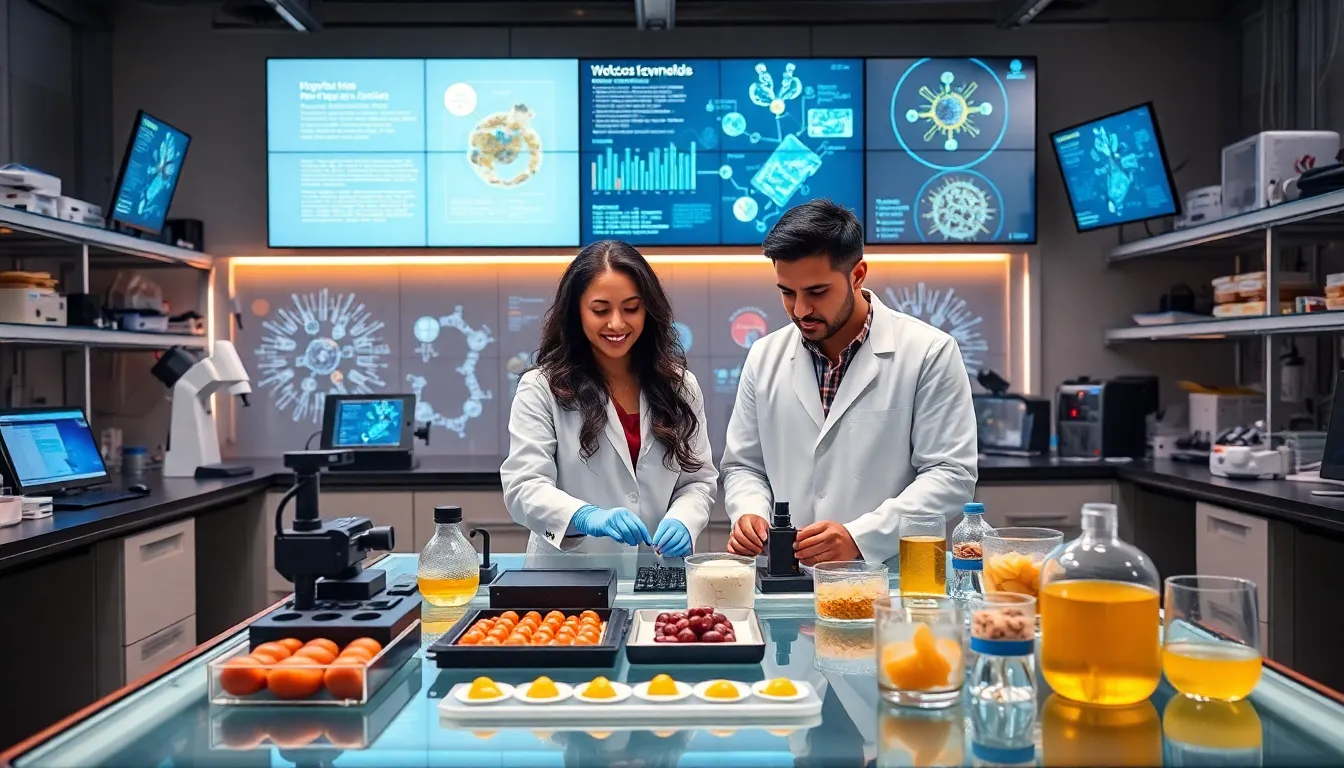
Food science, a field dedicated to understanding the physical, biological, and chemical makeup of food, has been turbocharged by technology. This dynamic duo is reshaping how food is produced, preserved, and consumed. New technologies, like nanotechnology and biotechnology, bring creativity into the lab and the kitchen. Consider how hydrocolloids, derived from natural sources, are used to enhance textures and shelf life. Meanwhile, cutting-edge lab equipment allows scientists to test products efficiently, helping create safer and more nutritious foods. With both fields working hand in hand, they are not just reacting to changes in consumer demand but driving those changes, making progress at a dizzying pace.
Key Innovations In Food Preservation
Among the standout innovations in food preservation, high-pressure processing (HPP) deserves a spotlight. This technique uses pressure to eliminate pathogens and extends shelf life without the need for preservatives. It retains the food’s nutritional value and flavor, making it a win-win for consumers and producers alike.
Also, vacuum sealing and modified atmosphere packaging are revolutionizing how food is stored and shipped, reducing food waste significantly. These practices promise fresher produce long after they leave the farm. And while we’re at it, let’s give a nod to the active packaging technologies that release additives to enhance preservation, another neat way to keep our food tasty and safe.
Novel Techniques In Food Production
Turning to food production, innovations like vertical farming and hydroponics continue gaining traction. Vertical farms allow crops to grow in stacked layers, using significantly less land. This method not only maximizes space but also minimizes water usage, catering to the pressing need for sustainable agricultural practices.
Also, lab-grown meat is making waves. This method of producing meat from cultured cells not only addresses ethical concerns related to animal farming, but it also has a lighter environmental footprint. Imagine biting into a burger that’s not only juicy but also eco-friendly, foodies and environmentalists alike can agree, it’s a game changer.
Sustainable Practices In Food Science
As climate change looms, sustainable practices in food science are becoming crucial. Scientists are exploring alternative proteins such as insects and algae, which provide an efficient source of nutrients while requiring fewer resources compared to traditional livestock farming.
Also, waste-to-energy technologies are transforming food waste into power. For instance, anaerobic digestion processes break down waste to produce biogas, contributing to a circular economy. This intersection of sustainability with food science not only helps reduce our carbon footprint but also paves the way for a more resource-efficient approach to global food systems.
The Role Of Artificial Intelligence And Big Data
Artificial intelligence (AI) and big data are no longer buzzwords: they are revolutionizing food science. AI algorithms analyze vast amounts of data to optimize everything from crop yields to supply chain management, ensuring that consumers receive fresh produce every time.
For instance, companies use predictive analytics to forecast demand, reducing overproduction and minimizing waste. Real-time data from sensors in fields can provide farmers with insights into the optimal times for planting and harvesting, significantly benefiting both profits and sustainability. With technology like AI, innovation isn’t just a trend, it’s here to stay and improve how we interact with food.
Future Trends In Food Science And Technology
Looking ahead, trends such as personalized nutrition are sure to gain momentum. Thanks to advancements in genomics, we can expect diets tailored to individual genetic profiles. Imagine consuming foods designed specifically for your health needs, no more one-size-fits-all approaches.
Also, automation and robotics will likely take center stage in food production facilities. From smart factories to autonomous delivery systems, the future promises convenience paired with efficiency. As the marriage between technology and food science continues to blossom, consumers can comfort themselves with one truth: the future will cater to their tastes, health, and the planet’s well-being.