


In the fast-paced world of procurement, keeping up with emerging technologies feels like trying to catch a greased pig at a county fair. With innovations popping up left and right, how is anyone supposed to stay on top of what’s essential? Fear not. From artificial intelligence to blockchain, these technologies aren’t just buzzwords: they’re revolutionizing the procurement landscape, making it more efficient and transparent. So, buckle up as we jump into the thrilling world of procurement tech that’s shaking things up.
Overview Of Procurement Technologies
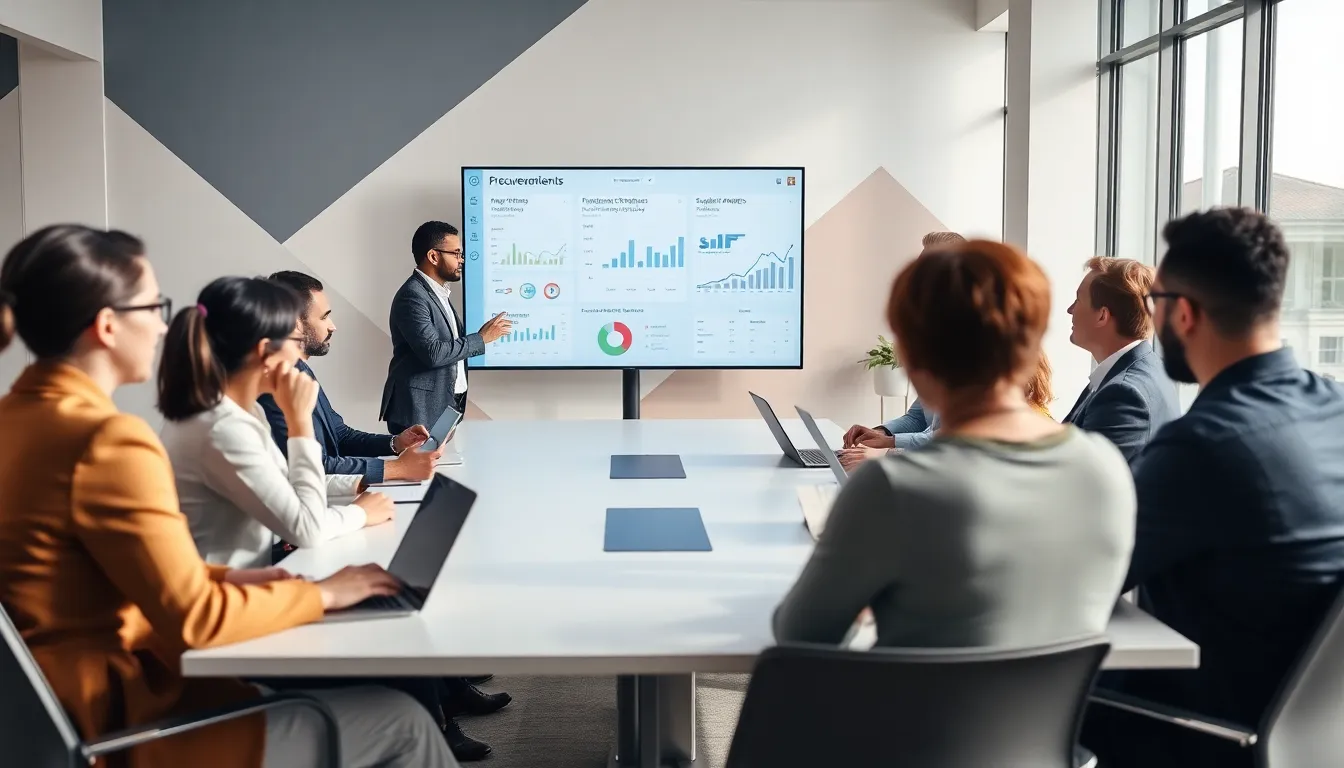
Procurement technology has come a long way from the days of paper contracts and telephone negotiations. It now encompasses a diverse range of tools and systems designed to streamline procurement processes. Today’s technologies help better communication, enhance supplier relationships, and provide analytics for well-informed choice-making. From e-sourcing platforms that help businesses identify and evaluate suppliers to procurement software that simplifies order and invoice management, the goal is clear: to make procurement smarter and more efficient. As companies embrace these solutions, they’re finding that technology can drive significant savings and foster stronger partnerships.
The Role Of Artificial Intelligence
Artificial Intelligence (AI) is no longer the stuff of science fiction: it’s a game-changer in procurement. AI algorithms can analyze vast amounts of data much faster than humans, empowering procurement professionals to make evidence-based decisions. Imagine a procurement analyst able to predict supplier risks by analyzing historical data patterns, AI can do that. Besides, AI enhances negotiations through predictive analytics, offering insights into optimal pricing strategies. As AI continues to evolve, it will likely handle even more procurement tasks, enabling professionals to focus on strategic activities.
Blockchain In Supply Chain Transparency
Blockchain technology is synonymous with cryptocurrencies, but its impact on procurement is monumental. It provides tamper-proof records that enhance transparency across the supply chain. By recording every transaction on a decentralized ledger, all parties have access to the same data, reducing disputes and improving trust among stakeholders. For instance, companies leveraging blockchain can trace the origin of materials, ensuring adherence to ethical sourcing practices. This level of transparency not only helps businesses maintain compliance but also strengthens their reputation in today’s socially-conscious market.
The Impact Of Internet Of Things (IoT)
The Internet of Things (IoT) isn’t just about smart refrigerators and smart homes anymore: it’s making waves in procurement too. By connecting devices that relay real-time data, IoT enables companies to monitor inventory levels, predict supply chain disruptions, and even manage equipment proactively. Imagine sensors in warehouses that alert procurement teams when stock is running low or when equipment is due for maintenance. This capability allows for more efficient inventory management and reduces unexpected costs, thereby improving the bottom line.
Data Analytics And Procurement Efficiency
Data analytics is not just a buzzword: it’s a fundamental driver of procurement efficiency. By employing robust data analytics tools, organizations can gain insights into spending patterns, supplier performance, and market trends. For example, a company can analyze purchasing histories to identify opportunities for bulk purchasing, leading to significant cost savings. With data at their fingertips, procurement teams are equipped to make strategic decisions that enhance efficiency and drive value. As data analytics capabilities become more sophisticated, they will continue to shape the future of procurement.
Automation Tools In Procurement Processes
Automation tools are transforming the procurement process by reducing manual tasks. Through automating routine functions like order approvals and invoice processing, organizations can free up valuable time for procurement professionals to focus on strategic initiatives. For instance, e-procurement systems streamline workflows by managing the entire procurement cycle digitally, from requisition to payment. This not only speeds up the process but also minimizes errors, ensuring greater accuracy in purchasing activities. Companies that embrace automation will likely find themselves at a competitive advantage in the market.
Future Trends In Procurement Technologies
As emerging technologies continue to evolve, several trends are anticipated to shape the future of procurement. One key trend is the increased emphasis on sustainability, driven by businesses aiming for greener supply chains. Technologies enabling better waste management and ethical sourcing are becoming priorities. Also, the integration of AI with blockchain will provide enhanced security and efficiency in procurement processes. Another emerging trend is the advancement of cloud-based solutions, allowing procurement teams to collaborate seamlessly across geographical boundaries. Keeping a pulse on these trends will be crucial for businesses looking to stay ahead of the curve.