


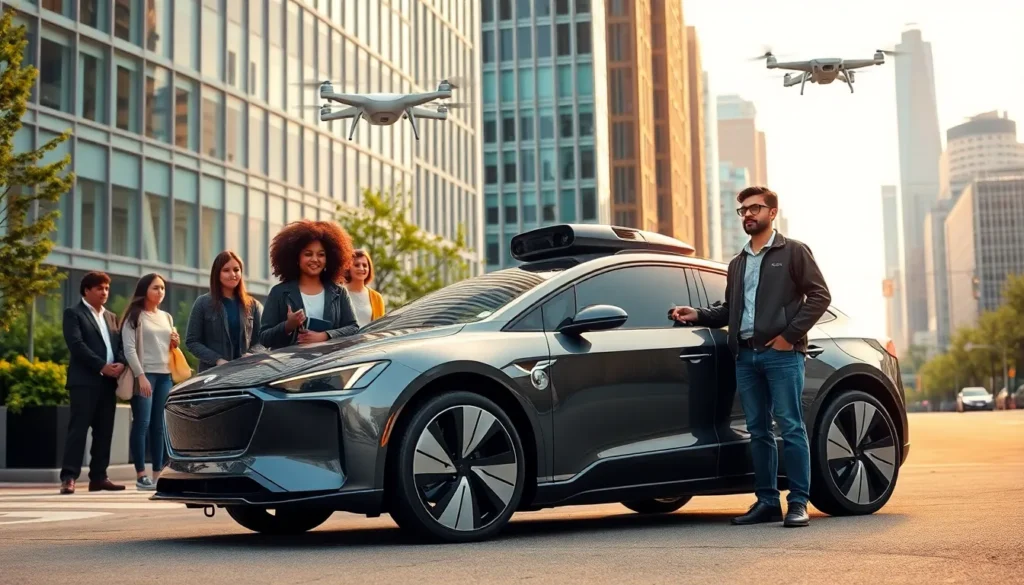
Transportation is on the brink of a revolution, and it’s about time! With emerging technologies reshaping the way people and goods move, the future looks brighter than a freshly polished Tesla. From self-driving cars that make you feel like a passenger in your own ride to drones delivering pizza right to your doorstep, the possibilities are as endless as a road trip with no speed limits.
Overview Of Emerging Technologies In Transportation
Emerging technologies are reshaping transportation by introducing various innovations. Autonomous vehicles operate through advanced sensors and artificial intelligence, enabling safer navigation. Electric vehicles reduce greenhouse gas emissions, contributing to a more sustainable environment.
Urban air mobility utilizes drones to transport passengers and cargo efficiently through the air. This technology addresses traffic congestion in urban areas and minimizes travel time. Hyperloop systems, which involve high-speed pods traveling in low-pressure tubes, promise to dramatically decrease intercity travel durations.
Blockchain technology enhances supply chain transparency, allowing for real-time tracking of shipments. Smart infrastructure incorporates sensors and data analytics to optimize traffic flow and enhance safety on roadways. V2X (vehicle-to-everything) communication connects vehicles with infrastructure, improving traffic management and reducing accidents.
E-commerce growth drives innovations in last-mile delivery techniques. Companies are deploying autonomous delivery robots and drones on urban streets to meet consumer demand. Mixed-use mobility platforms streamline transportation options, offering users seamless access to multiple modes of transport, including ride-sharing, biking, and public transit.
Electric scooters and bike-sharing programs provide convenient and eco-friendly travel solutions. These options encourage people to utilize alternative transportation modes, reducing reliance on traditional vehicles. Smart public transportation systems leverage data to enhance scheduling and improve the rider experience.
Virtual reality and augmented reality are transforming training for drivers and operators in various sectors. These technologies provide immersive learning experiences that can increase safety and efficiency. Collaborations among governments, tech companies, and automotive manufacturers drive advancements in transportation technologies, ensuring a robust future.
Key Trends Shaping The Future
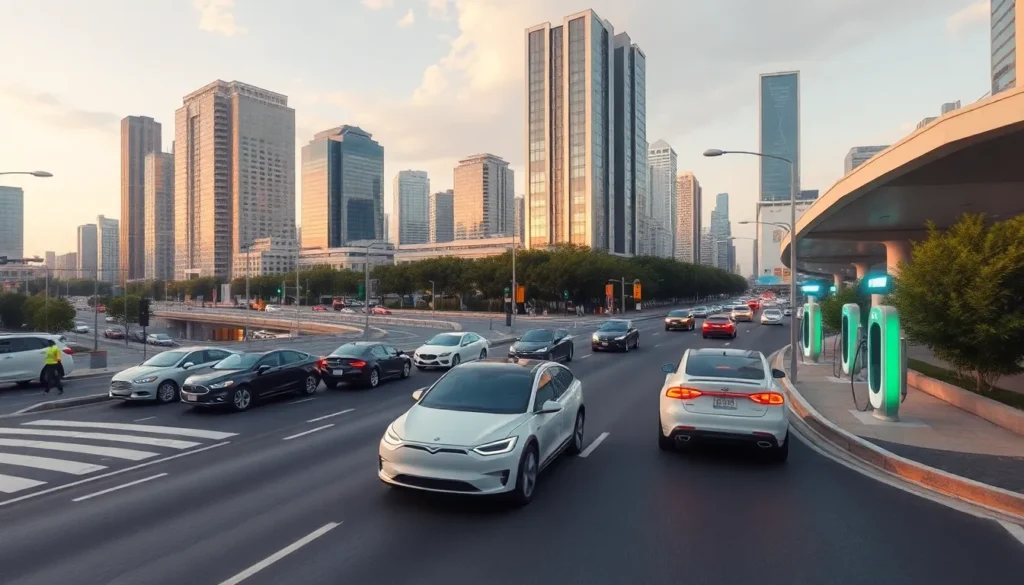
Emerging technologies are transforming transportation with remarkable advancements. Significant shifts are evident in areas such as autonomous vehicles and electric mobility.
Autonomous Vehicles
Autonomous vehicles are steering the future of transportation. Self-driving technology enhances safety by utilizing advanced sensors and artificial intelligence for navigation. Companies are already testing fully autonomous cars in urban environments. These vehicles can significantly reduce accidents and traffic congestion, offering a smoother travel experience. In addition, insurance costs may decrease as the reliance on human drivers diminishes. Regulatory frameworks are adapting to accommodate these innovations, ensuring safety standards are met. Ultimately, the widespread adoption of autonomous vehicles promises to reshape urban landscapes.
Electric Mobility
Electric mobility is gaining momentum as environmental concerns intensify. Electric vehicles (EVs) offer a cleaner alternative to traditional gasoline-powered cars, drastically reducing greenhouse gas emissions. Battery technology continues to improve, leading to longer ranges and shorter charging times. Cities are investing in charging infrastructure, making EV ownership more convenient. Additionally, automakers are expanding their electric vehicle lineups, catering to diverse consumer preferences. Transitioning to electric mobility not only addresses environmental issues but also promotes energy independence. Various incentives support this shift, encouraging consumers to adopt sustainable transportation solutions.
Impact On Urban Infrastructure
Emerging technologies in transportation significantly influence urban infrastructure, reshaping how cities function and manage resources.
Smart Traffic Management Systems
Smart traffic management systems utilize real-time data to optimize traffic flow. Sensors monitor congestion levels and adjust signal timings accordingly. City planners can analyze patterns to make informed decisions about roadway improvements. Traffic management centers integrate information from various sources, improving the overall efficiency of urban transport networks. These systems reduce idle times for vehicles, lowering greenhouse gas emissions while enhancing commuter experiences. Additionally, they facilitate communication between vehicles and infrastructure. This Vehicle-to-Infrastructure communication enhances safety and promotes smoother transitions at intersections.
Public Transportation Innovations
Public transportation innovations promote accessibility and efficiency, meeting the demands of growing urban populations. Electric buses and autonomous shuttles represent a shift toward more sustainable options. These vehicles minimize environmental impact and reduce reliance on fossil fuels. Mobile apps provide real-time tracking of public transport, improving user experiences by reducing wait times. Cities are also investing in integrated services, combining various modes of transport through single platforms. Enhanced connectivity encourages more people to utilize public transportation systems. Initiatives aimed at creating dedicated lanes for buses further streamline operations, ensuring quicker and more reliable transit for commuters.
Challenges And Considerations
Emerging technologies in transportation face significant challenges and considerations that influence their adoption and implementation. Navigating these complexities is crucial for realizing their full potential.
Regulatory Hurdles
Regulatory frameworks lag behind technological advancements, complicating the launch of autonomous vehicles and electric mobility solutions. Governments must adapt legislation to maintain safety standards while fostering innovation. For instance, testing autonomous vehicles in urban environments involves meeting strict safety guidelines and obtaining necessary permits. Industry stakeholders must collaborate with regulatory bodies to address public safety concerns. Public acceptance hinges on the transparency of regulations and sufficient oversight, influencing the rate of technology adoption. Ensuring these frameworks keeps pace with innovation is vital for the sector’s growth.
Environmental Impact
Emerging transportation technologies significantly affect the environment, raising important considerations. Although electric vehicles offer cleaner alternatives, the production and disposal of batteries pose sustainability challenges. Mining materials for batteries results in ecological harm, necessitating responsible sourcing practices. Urban air mobility presents solutions to reduce congestion but may contribute to noise pollution. Mitigating the adverse effects of these innovations requires comprehensive environmental assessments. Recognizing the full lifecycle impact of emerging technologies promotes a sustainable approach to their development and deployment. Prioritizing environmentally friendly practices is essential in shaping a greener transportation future.
Future Outlook
Emerging transportation technologies promise to revolutionize how people and goods move. Autonomous vehicles lead the charge with advanced sensors and artificial intelligence, enhancing safety and reducing accidents. Testing of fully autonomous cars in urban settings is on the rise, and lower insurance costs may follow as dependence on human drivers decreases. Regulatory frameworks are adapting to keep pace, ensuring safety while shaping urban landscapes.
Electric mobility is another significant trend, responding to increasing environmental awareness. Electric vehicles provide a cleaner alternative to gasoline counterparts, significantly lowering greenhouse gas emissions. Notably, advancements in battery technology extend driving ranges and reduce charging times. Many cities are investing in comprehensive charging infrastructure to facilitate EV ownership, while automakers broaden their electric vehicle offerings.
Drones illustrate another facet of future transportation solutions, particularly in urban air mobility. These devices transport passengers and cargo efficiently, helping to alleviate traffic challenges. Hyperloop systems offer the possibility of drastically reducing intercity travel times, making long-distance journeys quicker than ever before.
Blockchain technology now enhances supply chain transparency, ensuring real-time shipment tracking. Smart infrastructure and vehicle-to-everything communication optimize traffic flow while improving safety for all users. Companies are also deploying autonomous delivery robots and drones to streamline last-mile delivery processes. Mixed-use mobility platforms simplify travel options, promoting eco-friendly choices through electric scooters and bike-sharing initiatives.
Urban infrastructure continues to adapt with innovations like smart traffic management systems. These systems utilize real-time data to enhance traffic flow and decrease emissions. Among public transportation, electric buses and autonomous shuttles strive to improve accessibility and efficiency, reflecting the need to accommodate growing urban populations. Mobile apps enhance user experiences by providing real-time tracking and integrated transport services, encouraging increased use of public transit.
The future of transportation is bright with the promise of emerging technologies. As innovations like autonomous vehicles and electric mobility continue to evolve they’re set to transform how people and goods move. With advancements in smart infrastructure and urban air mobility the potential for efficiency and sustainability is unprecedented.
However challenges remain that require attention. Collaboration among industry stakeholders and regulatory bodies is crucial to ensure safety and environmental considerations are prioritized. By addressing these challenges responsibly the transportation landscape can evolve into a safer greener and more efficient system. The journey ahead is exciting and full of possibilities that will reshape urban life and mobility for generations to come.